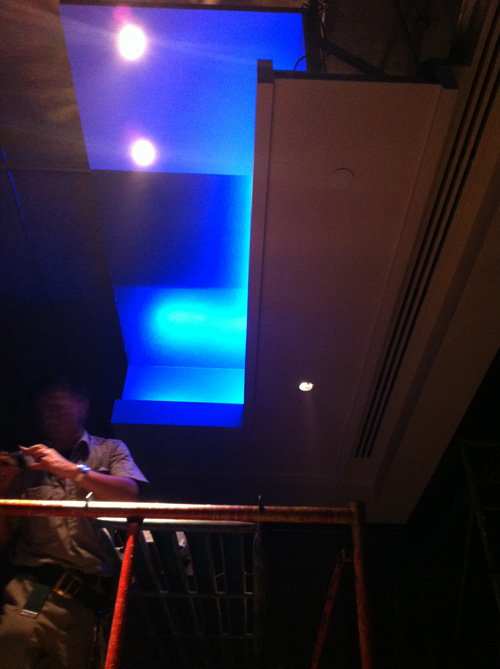
Lighting mockup

above : lighting mockup on ceiling prototype, scale 1:1

In manufacturing and design process, a mockup, or mock-up, is a scale or full-size model of a design or device, used for teaching, demonstration, design evaluation, promotion, and other purposes. A mockup is a prototype if it provides at least part of the functionality of a system and enables testing of a design. Mock-ups are used by designers mainly to acquire feedback from users.

In lighting project, mockup required to evaluate design that proposed by designer or consultant, to analyze the effect and in the end to get approval by consultant itself or by the customer or owner. Sometimes mockup required by consultant to compare the lighting solution proposed by each vendor or supplier, which one is passed the lighting-design requirement.
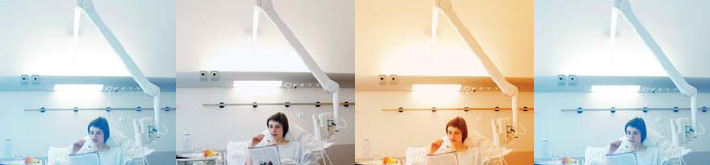
 

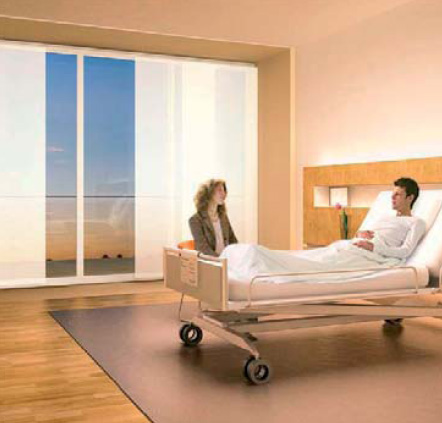
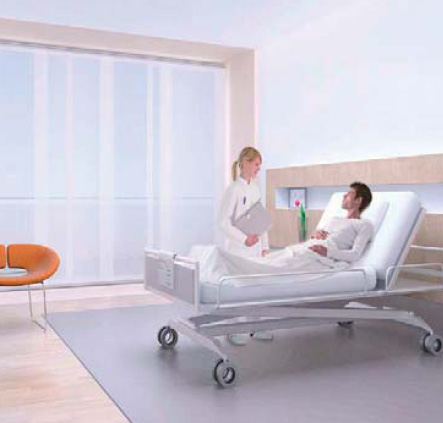
Dynamic ambience for patient room

The patient room of today

Individuality, independence, comfort and flexibility are the keywords when talking about patient rooms today. Hospitals are slowly coming to realize that patients are reluctant to do without the customs of normal life.

For many, choosing a hospital is not just a matter of checking out its medical reputation, the “homeliness” of its wards is another important consideration. And rightly so. After all, most of a patient’s stay in hospital is spent most of their time in a patient room. In rooms for which patients pay a supplement, good lighting is a particularly important competitive asset. As hospitals change from places for treating the sick into health “service centers”, today it is mostly only the private hospital operators who recognize the key importance of optimum lighting as an element of interior design, but it has and will become a common approach.


The patient room of the future

Of all the advances that hospitals are making in the delivery of care, nowhere is the impact felt more drastically than in the patient room. Even as room decor grows more cozy and more home-like, dazzling new technology is bringing the future directly to the bedside, giving clinicians the power to monitor patients more carefully and giving patients more control over their own environment. Creating flexible, comforting rooms that can accommodate ever-changing technology, that encourage loved ones to spend more time with patients, and that allow staff to work more efficiently is a challenge for hospital planners

(source : Philips Lighting)

Spill Light at Retail Lighting

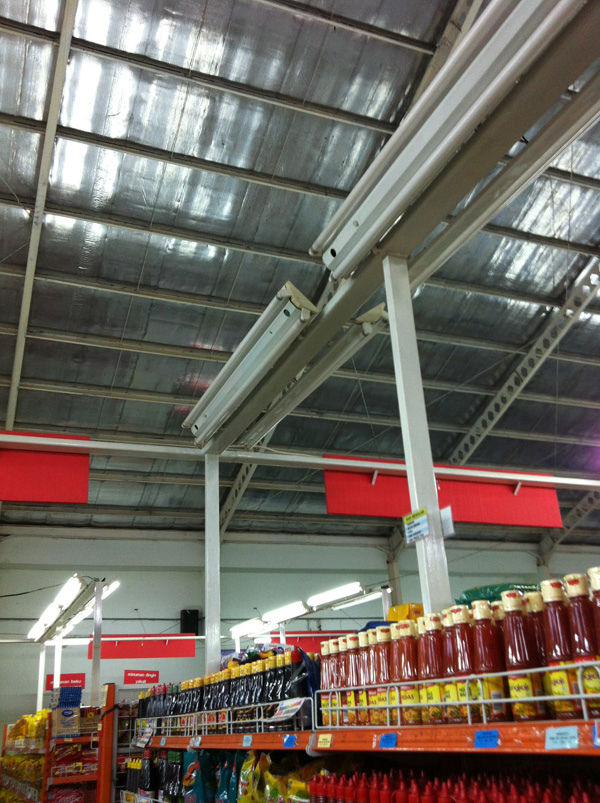
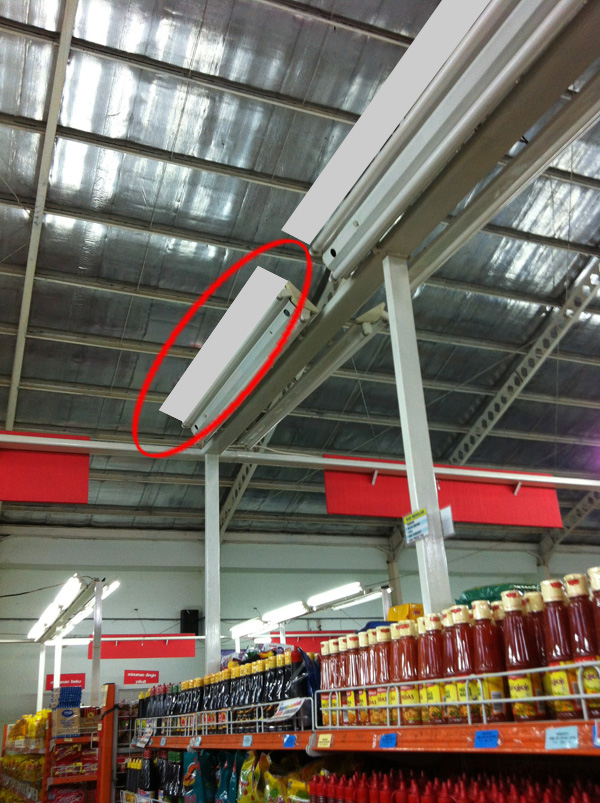
The purpose of using this lighting system on the store (shown on photo) is absolutely for highlight the products that displayed and also for general lighting at the store. Without using reflector, they want achieves more light and create brighter store. But, I think they are forget that most of lighting that produce by lamps are used to highlight the ceiling and transferred to roof. So it will useless.

They bought lighting system to highlight product, not for roof or ceiling. They spend money to pay the electricity, but the result is more light are wasted on roof.

above : existing luminaire (lamp housing)

above : after reflector installed

Simple solution can be used for this matter. They can use simple reflector. It can be made from metal-sheet, acrylic or plastic, as long as it can be used to reflect the upper light from luminaire.

Flexible wall illumination

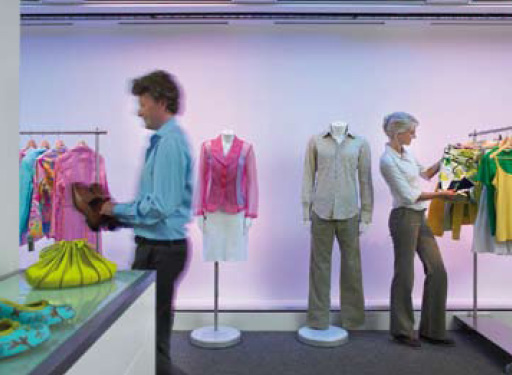
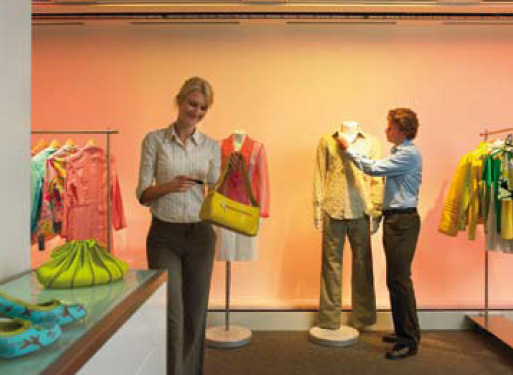
With flexible wall illumination you can change the color and the mood of your shop, creating the right ambience for a given audience at a given time. The color can change very gradually or within a second. It can change over a period of time (e.g. to attract attention) or it can remain static for as long as you want it to (e.g. to complement a promotion). It can change between bright, saturated colors and soft pastel tones of white, e.g. to create a warm atmosphere during the winter.

Make the customer stay longer

Flexible and adaptive, lighting enables retailers to create dynamic shop environments that convey powerful, engaging impressions. It can be used to optimize product presentations, and it can be adapted to support the latest‚collection, specific themes, the seasons, materials, colors, etc. It can also create a stage for temporary promotions.

Make the customer come back

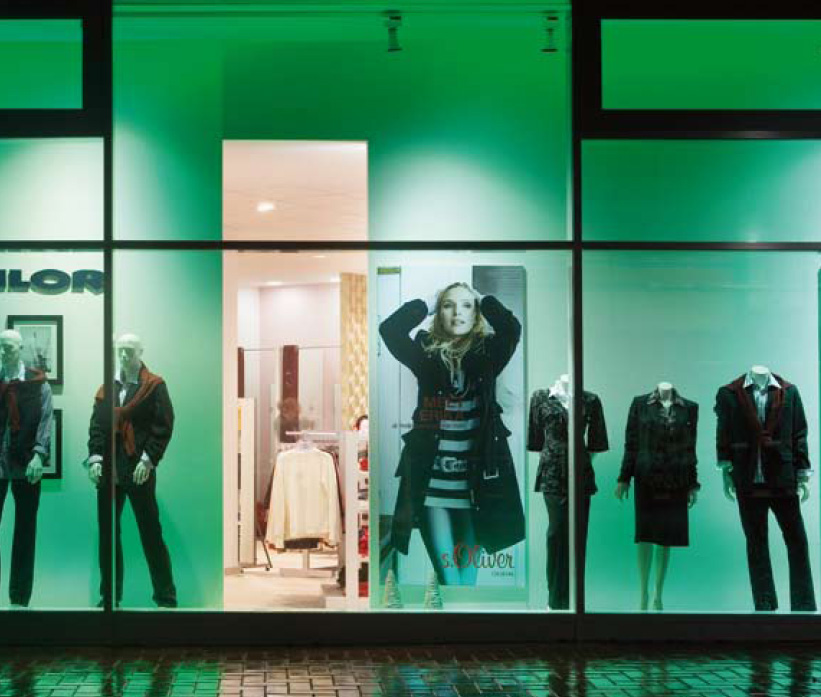
In the evening too, when the shop is closed and outside lighting levels are low, new dramatic effects can be applied, again creating fresh and memorable impressions.

source : Philips Lighting

Decorative elements on shop lighting

Image

Case study:

Color-changing LED to highlight the product-display. Maybe the purpose of installing color-changing effect will give good appearance and attracting people to give more attention to the product-display. But it is not correct. Why? Because it can’t reveal the true color of products that display. The Blue color of clothes will not display as blue, the white color of shoes will not displayed as white, etc. Color-changing effect will work when the surrounding area set to dark, and if the surrounding area more bright, the color-changing LED will meaningless.

Solution :

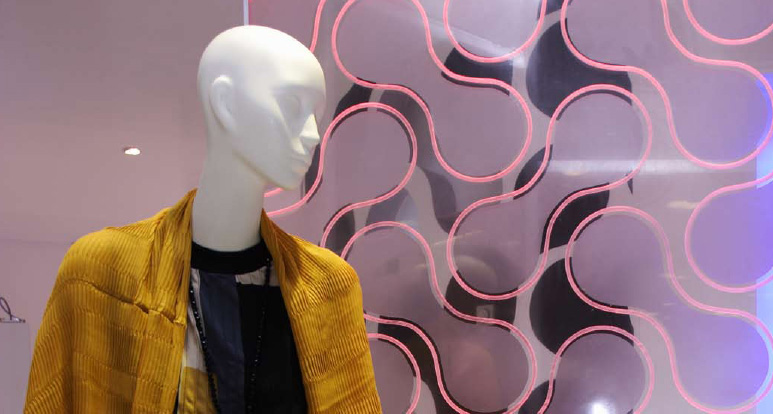
Decorative elements can be applied throughout the shop. They can be used for a variety of purposes, for example to attract attention and create stopping power – highlighting product presentations and visual merchandizing, complementing retail promotions or the shop interior, or creating ambience for a given occasion or audience. The lighting color can change very gradually or within a second. It can change over a period of time or remain static for as long as you want it to. Decorative elements can also be used to underline architectural details, for example to enhance your store’s brand image.

ImageImage

ImageImage

The lighting in a shop is a key factor in creating that all-important first impression. Dynamic decorative elements attract attention of people passing by and enhance the in-store ambience. And lighting scenes that change within a short space of time are even more eye-catching because people are very sensitive to changes in light.

source : Philips Lighting

Marker/Path Lighting

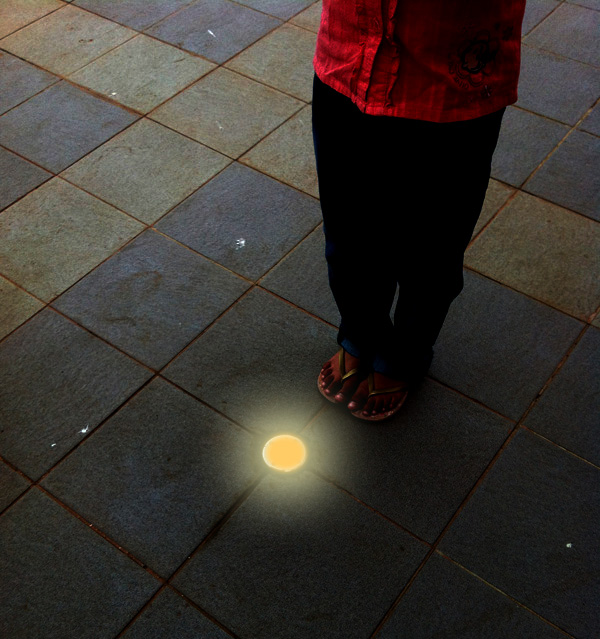
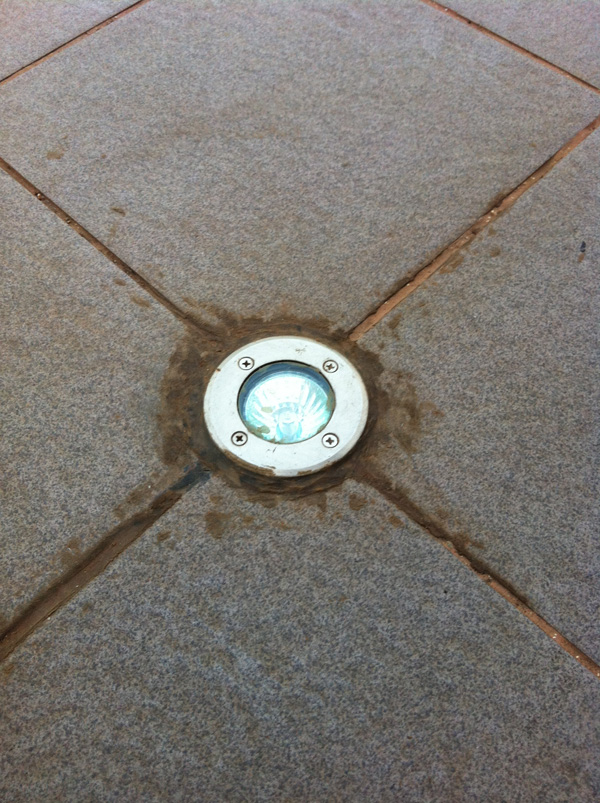
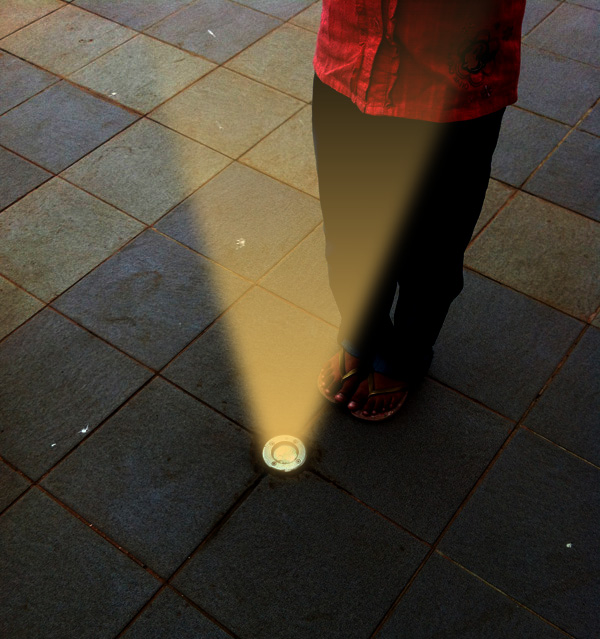
Decorative Lighting for building, especially for outdoor area can be realized in many applications. One method is using path lighting that placed on the ground. The lighting system and cable buried under the ground. But in some application, people seems make wrong choice for solution. Instead using lighting system that dedicated or designed for path lighting, they use spot lighting. It will illuminate the area and make discomfort for human eyes. It will create glare.

From the photograph below, the luminaire/housing is right, but the lamp is wrong. Also it using Halogen lamp. This lamp type has short lifetime, high wattage consumption and create heat. So be careful on make product selection.

above : Lamp selection is not correct.

above : The result of wrong choice of lamp

above : Recommended products for marker/path lighting.

Signage Lighting

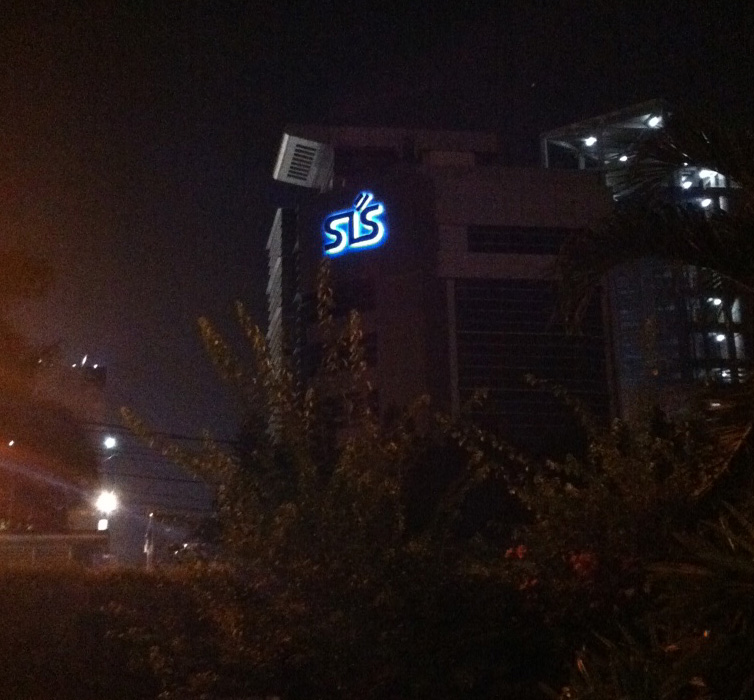
Talking about Signage lighting, as we aware that the signage usually in form of Fonts, Logo, or Images. To make it visible at night, we can add some light to highlight it. The solution for signage lighting can be tailor made solution, Backlighting, Floodlighting. The brief is very clear that the signage will expresses the brand identity. So it must be very visible and recognizable at night.

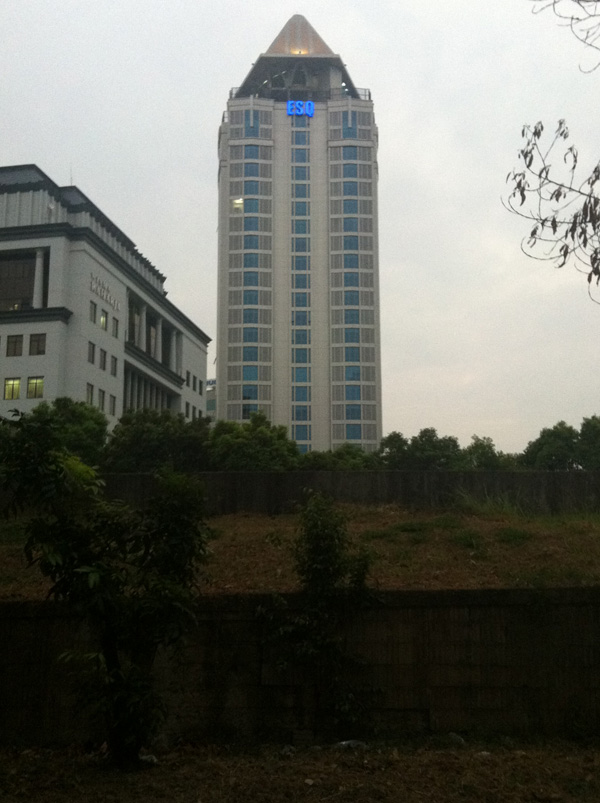
From photograph shown above, the signage looks good at afternoon. But it will be hard to recognize and visible at night. Why? Because they use tailor made solution signage with blue light. The visible blue light has a wavelength of about 475 nm. Because the blue wavelengths are shorter in the visible spectrum, they are scattered more efficiently by the molecules in the atmosphere. This causes the sky to appear blue. But when in the dark or night, blue color is hard to see or recognized from distances. This cause is still on research and maybe can make a bias. To prove it, just go outside and compare the blue light and red light, which one is easy to recognized from distance.

Simple solution without change the brand identity of this signage is with additional backlight around the signage. It will make this ESQ signage like glowing and will increase the visibility.