Industrial Day-Light solution

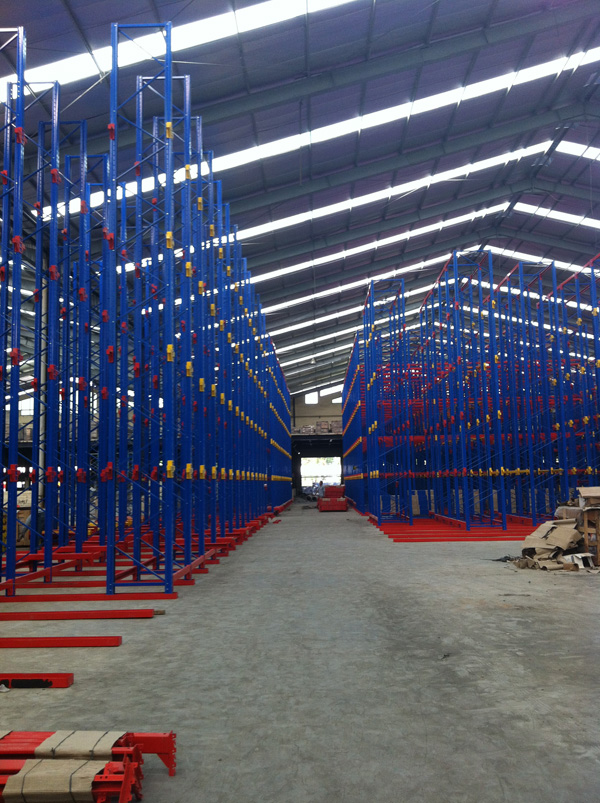
In this competitive era, all expenses and impact will be calculated seriously. Especially for industrial and commercial application, they have to innovate how to save their budget. Including for lighting. Since lighting will consume big amount of energy and they have to consider to environtmental effect, find innovative and affordable solution is a must. In this photograph, we will notice that using simple technology will help them save a big amount of money and energy. With help of Semi-Transparent-Polycarbonate roof, they transfer daylight to their warehouse and workshop. Functionally, this material act as real roof, prevent this warehouse from direct-sunlight and rain. The warehouse owner don’t need to switched-on lighting at the afternoon, except when there are dark cloud or in rainy season.

So, this solution is relatively cheap but make big impact to energy saving, cost efficiency and environment friendly.

How do LED sources make white light?

white LED, LED, Phospor

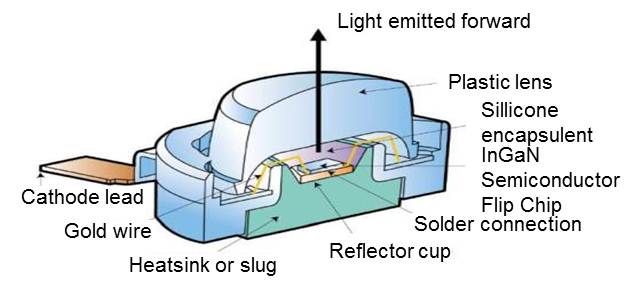
A White LED consists of a Blue chip and a yellow phosphor. The blue photons generated in the chip can either:

1.travel through the phosphor layer

2.In the phosphor layers it can be converted into a yellow photon.

Those two colors combined will generate white light. With a thicker phosphor layer more photons will be converted to white light, thus changing the color point of the LED. Also the wavelength of the blue photons influences the color of the emitted light. Therefore controlling the phosphor layer from LED to LED and over the chip minimizes the color variation.

What is a LED?

LED is stand for Light Emitting Diode. It means semiconductor (diode) that can produce visible light. Sometimes LED called as Solid State Lighting, because it made from solid form or material. On conventional lighting, light produce by gas that ignited by filament on closed tube or glass. That’s why conventional lighting must be taken care carefully on packaging, delivery and installation because it’s fragile.

  • A semiconductor device that converts electrical energy directly into  discrete color of light
  • Made from different materials and substrates
  • Made in chip fabrication factories
  • No brass, glass and gas (“solid state”)
  • White LED Sources are a blue LED device + phosphor

What is Light?

Light is part of the electromagnetic spectrum, which ranges from radio waves to gamma rays. Electromagnetic radiation waves, as their names suggest are fluctuations of electric and magnetic fields, which can transport energy from one location to another. Visible light is not inherently different from the other parts of the electromagnetic spectrum with the exception that the human eye can detect visible waves.

To learn more about lighting, you can Google many articles or many website that explain about these matters on internet. And in this blog, I will provide some basic information about basic lighting. I will not fulfill with theoretical or too technical things that make you more confuse. So, wait for other post by Lighttalks 🙂

Cahaya adalah radiasi electromagnetic (seperti gelombang radio danTV ) yang berjalan disekitar kita. Cahaya akan menciptakan proses visual saat masuk ke dalam mata, dimana proses-proses tersebut terjadi tanpa pernah kita sadari. Dengan cahaya, kita bisa membedakan bentuk, warna, kedalaman. Cahaya adalah sebuah gejala alam yg dapat dirasakan & tergantung pada kesensitifan mata. Banyak artikel maupun website yang telah dibuat yang menjelaskan mengenai basic lighting, sehingga Anda dapat dengan mudah untuk mencari dan mempelajarinya dari internet. Khusus untuk blog ini, kita akan mendiskusikan hal-hal ringan yang mudah dimengerti mengenai cahaya, sehingga diharapkan kening anda tidak berkerut saat membacanya 🙂